

DENTAL CROWNS · DUMFRIES

When a filling isn't enough. Protected. Restored. Strong again.

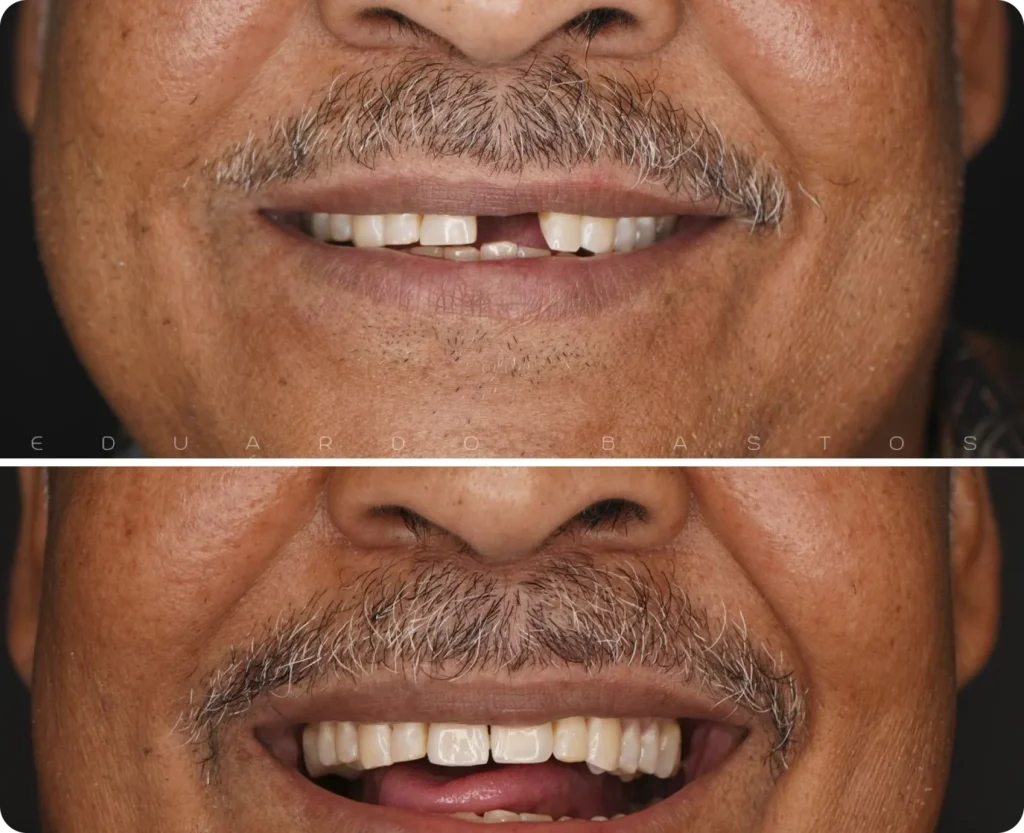
A dental crown is a custom-made cap that covers a damaged, cracked or heavily filled tooth completely — restoring its strength and shape, crafted to match your bite exactly.

BOOK YOUR CROWN CONSULTATION — NO OBLIGATION

Tell us about your tooth
We’ll call you back within 1 working day to discuss your options and get you booked in.
No obligation. No hard sell. Just honest advice on your options.
NHS, Private & Denplan

Flexible ways to pay

Dumfries-based

Local dental practice

Lab-crafted

Custom-fit crown

Up to 15+ years

Lifespan

WHAT IS A DENTAL CROWN?

A full cap for a damaged tooth

A dental crown is a cap that fits over your entire tooth, not just the front. It’s used when a tooth is too damaged or decayed for a filling.

Crowns are made from a range of materials. Porcelain and all-ceramic crowns look closest to natural teeth and suit the front of the mouth; zirconia and metal suit back teeth.

Most crowns take two visits, a few weeks apart, so your permanent crown can be made precisely in a dental laboratory, while a temporary crown protects your tooth.
Typically 2 visits over 2–3 weeks
Results are individual. A clinical assessment will confirm suitability.
WHAT CAN A CROWN FIX?

A crown can protect and rebuild all of these

A cracked or fractured tooth

A crack can travel deeper into the tooth every time you bite down. A crown holds it together, stopping the damage spreading.
A tooth with a large or failing filling

When there's not enough tooth left for a filling to hold, a crown rebuilds it completely instead of patching a small part.

A tooth after root canal treatment

Root canal-treated teeth can become brittle over time. A crown protects it from fracturing under everyday biting force.

Severe wear from grinding or erosion

Years of grinding or erosion can wear a tooth down. A crown restores its height and protects it from wear.

A worn or unsightly old crown

Older crowns can discolour or no longer fit well. We can replace them with a modern, precisely fitted crown.
A tooth too damaged for cosmetic options

If a tooth is too broken down for bonding or a veneer, a crown is often the only option strong enough.

WHAT TO EXPECT

From first assessment to a fully restored tooth — here's how it works

Assessment & Preparation

We assess the tooth, remove any decay or weakened structure, and carefully shape what remains to hold the new crown securely.

Digital Impressions & Temporary Crown

We take a digital scan or impression of your prepared tooth and fit a temporary crown to protect it while yours is made.

Custom Lab Fabrication

Your crown is crafted in a dental laboratory to match your bite, shade and tooth shape exactly — usually over two to three weeks.

Fitting & Final Check

We remove the temporary crown, check the fit, shade and bite of your new crown, then cement it permanently in place.

CROWNS VS. THE ALTERNATIVES

Why a crown is often the strongest option

ComparisonDental CrownPorcelain VeneerFilling
Tooth coverageWhole toothFront surfaceSmall area
Best forCracked teethCosmetic changesSmall cavities
Tooth preparationSignificantMinimal (~0.5mm)Small, decayed area
Strength restoredVery highCosmetic onlyModerate
NHS availabilityYes, if necessaryNoYes, if necessary

PATIENT STORIES

Real patients. Real restorations.

[trustindex no-registration=google]

COMMON QUESTIONS

Everything you want to know about crowns

With good care, most crowns last many years, though this varies depending on your oral hygiene and regular check-ups. Your dentist will give you a clearer expected lifespan at your consultation.

Yes — "cap" is just an older, informal name for the same thing. Both describe a custom-made covering that fits over your whole tooth.

Yes, where clinically necessary, crowns are available on the NHS. We'll confirm your eligibility and talk through NHS and private options at your consultation.

We shade-match your crown to your surrounding teeth so it blends in naturally. Results can vary slightly depending on the material used and your own tooth colour.

For the first day or so, it's best to avoid very hard, sticky or chewy foods while you get used to the fit. After that, a crown should let you eat normally, though very hard foods like ice or boiled sweets are worth chewing carefully.

Contact us as soon as possible if it feels loose, cracks or comes away — don't try to refit it yourself. We'll assess it and recommend the right repair or replacement.

READY?

Protect your tooth now

No obligation. Honest advice on the right treatment option for your tooth.

Carrick Rd, Dumfries DG2 9PR · 01387 440840

Scroll to Top